Find the perfect sweatshirt fabric: GSM, fleece, and blends for your brand! Request a Free Sample now! Sweatshirts Fabric Guide: GSM, Flee...
Find the perfect sweatshirt fabric: GSM, fleece, and blends for your brand! Request a Free Sample now!
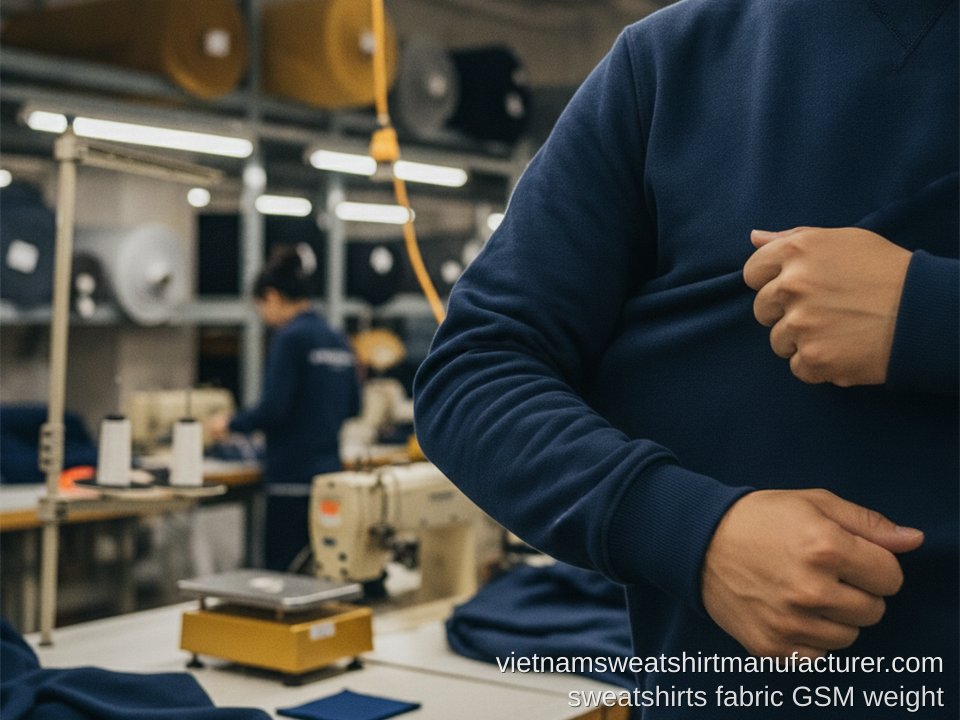
Sweatshirts Fabric Guide: GSM, Fleece, French Terry & Performance Blends
Selecting the right fabric is paramount when manufacturing custom sweatshirts. It directly impacts the garment's feel, durability, warmth, and overall aesthetic. For technical buyers, understanding fabric specifications like GSM weight, material composition, and weave is crucial for sourcing high-quality products that meet brand requirements and consumer expectations. This comprehensive guide delves into the key fabric elements that define a premium sweatshirt, focusing on sweatshirts fabric GSM weight and common material types.
At Vietnam Sweatshirt Manufacturer, operated by Gold Garment in Ho Chi Minh City, we understand that the foundation of any great sweatshirt lies in its material. Our expertise, honed over 10+ years, allows us to guide clients through the complexities of fabric selection, ensuring optimal results for OEM, ODM, and private label orders. We pride ourselves on factory-direct pricing and a low MOQ of 100 pcs, making custom sweatshirt production accessible globally.
Understanding Sweatshirts Fabric GSM Weight
One of the most critical specifications for any fabric, especially for outerwear like sweatshirts, is its sweatshirts fabric GSM weight. GSM stands for Grams per Square Meter, a metric unit that measures the weight of a fabric. A higher GSM indicates a denser, heavier, and often warmer fabric, while a lower GSM suggests a lighter and more breathable material.
The ideal GSM for a sweatshirt can vary significantly depending on its intended use and the climate it's designed for. For instance, a lightweight sweatshirt for transitional weather might fall between 200-280 GSM, offering comfort without excessive heat. Conversely, a heavy-duty, winter-ready sweatshirt could range from 300 GSM up to 500 GSM or even higher, providing substantial warmth and a plush feel. Understanding this sweatshirt GSM guide is essential for communicating your needs effectively to manufacturers.
The choice of GSM also influences the drape and structure of the sweatshirt. Heavier fabrics tend to have a more substantial drape, holding their shape better, which can be desirable for certain styles. Lighter fabrics offer more fluidity. As shown by how Gold Garment selects materials, we meticulously consider GSM in conjunction with fiber content and weave to achieve the perfect balance for each client's vision.
Common Sweatshirt Fabric Types
While GSM provides a measure of weight, the actual feel, performance, and properties of a sweatshirt fabric are determined by its composition and construction. Understanding the differences between common materials like fleece, French terry, and performance blends is key to making informed decisions.
Fleece: The Classic Comfort
Fleece is arguably the most popular fabric for sweatshirts, renowned for its exceptional softness and warmth. It's typically made from polyester, cotton, or a blend of both. The defining characteristic of fleece is its brushed surface, where the yarns on one or both sides of the fabric have been raised to create a fuzzy, napped texture.
There are two main types of fleece relevant to sweatshirt manufacturing:
- 1-Side Brushed Fleece: This is the most common type, with the brushed, fuzzy texture on the inside of the garment. This provides the characteristic soft, cozy feel against the skin. The outside remains smoother.
- 2-Side Brushed Fleece: Both the inside and outside of the fabric are brushed, resulting in a plush feel all around. This creates a very warm and luxurious sweatshirt but can sometimes be prone to pilling over time if not of high quality.
Fleece vs jersey sweatshirts: Fleece offers superior warmth and a softer feel due to its brushed nap. Jersey, on the other hand, is a knit fabric with a smoother surface and is generally lighter and more breathable, often used for t-shirts or lighter-weight sweatshirts.
French Terry: Breathable and Versatile
French terry is another highly sought-after fabric for sweatshirts, offering a unique combination of softness, absorbency, and breathability. Unlike fleece, French terry has loops on one side and a smooth surface on the other. The loops are created by the knitting process, giving the fabric its characteristic texture and performance properties.
Key characteristics of French terry include:
- Smooth Outer Surface: This side provides a clean canvas for printing graphics and logos, and offers a refined look.
- Looped Inner Surface: The loops trap air, providing a degree of insulation and moisture-wicking capabilities. This makes french terry sweatshirts comfortable for a range of activities and temperatures.
- Breathability: Compared to fleece, French terry is generally more breathable, making it ideal for activewear or milder climates.
- Absorbency: The looped structure also makes it highly absorbent, which can be a benefit for athletic wear.
French terry is often made from cotton, cotton-polyester blends, or even bamboo blends. Its versatility makes it suitable for everything from casual everyday wear to performance-oriented activewear. For brands looking for a modern, sleek aesthetic with excellent comfort, French terry is an excellent choice.
Performance Blends: Engineered for Functionality
For brands focused on athletic apparel or garments requiring specific functional attributes, performance blends are the go-to choice. These fabrics are engineered using advanced synthetic fibers, often combined with natural fibers, to achieve enhanced properties like moisture-wicking, quick-drying, stretch, and odor resistance.
Common components of performance blends include:
- Polyester: Durable, quick-drying, and resistant to stretching and shrinking.
- Spandex/Elastane: Provides stretch and recovery, allowing for greater freedom of movement.
- Nylon: Offers strength, abrasion resistance, and a smooth feel.
- Rayon/Modal: Derived from wood pulp, these fibers offer a soft hand, excellent drape, and good moisture management.
- Specialty Fibers: Including those with antimicrobial properties or enhanced UV protection.
Performance blends are meticulously constructed to manage the body's microclimate during physical activity. They wick sweat away from the skin to the fabric's surface, where it can evaporate quickly, keeping the wearer dry and comfortable. The exact composition and weave of these blends can be tailored to achieve specific performance goals, making them ideal for activewear lines.
Choosing the Right Fabric for Your Brand
The decision of which fabric to use for your custom sweatshirts should align with your brand's identity, target audience, and the intended use of the garment. Consider the following factors:
- Target Climate: For colder regions, heavier fleece fabrics (higher GSM) are essential. For warmer climates or active use, lighter French terry or performance blends are more appropriate.
- Brand Aesthetic: A plush, cozy fleece might suit a loungewear brand, while a smoother French terry or a sleek performance blend could align better with an athleisure or streetwear brand.
- Functionality Requirements: If your sweatshirts are intended for athletic activities, moisture-wicking and stretch properties are non-negotiable, pointing towards performance blends.
- Budget: While all fabrics can be sourced at various price points, the complexity of performance blends can sometimes lead to higher costs.
- Durability and Care: Some fabrics are more prone to pilling or require specific care instructions.
Understanding these fabric types and their properties is the first step in creating a successful custom sweatshirt line. As a leading sweatshirt manufacturer Vietnam, Gold Garment is equipped to handle diverse fabric requirements. We work closely with our clients to ensure the chosen material perfectly embodies their brand vision. For a deeper dive into the manufacturing process and how fabric plays a role, explore our article on how sweatshirts are made: the complete manufacturing process explained.
Frequently Asked Questions
Q: What is the most common GSM weight for everyday sweatshirts?
A: For everyday casual sweatshirts, a GSM weight between 250 and 350 is most common. This range offers a good balance of warmth, comfort, and durability without being too heavy for general wear.
Q: Is French terry or fleece better for printing?
A: The smoother outer surface of French terry generally makes it a better base for detailed screen printing or high-resolution graphics. While fleece can be printed on, its brushed texture can sometimes affect the clarity and vibrancy of the print.
Q: Can I request a custom fabric blend?
A: Absolutely. As a custom manufacturer, we can source or develop specific fabric blends to meet unique performance or aesthetic requirements. This is a key aspect of our OEM and private label services, as demonstrated by Gold Garment sweatshirt manufacturer Vietnam.
Q: How does fabric weight affect the cost of sweatshirts?
A: Generally, fabrics with a higher GSM weight use more material and are therefore more expensive to produce. However, the overall cost is also influenced by the fiber content, weave, and any special finishes applied to the fabric.
Partner with Vietnam Sweatshirt Manufacturer for your next production run and experience the difference that quality materials and expert craftsmanship make.
📩 Request a Free Quote — Response Within 5 Minutes
🌎 Website: vietnamsweatshirtmanufacturer.com
Factory-direct pricing · MOQ from 100 pcs/style · Sample development · Worldwide shipping


